Local Insights

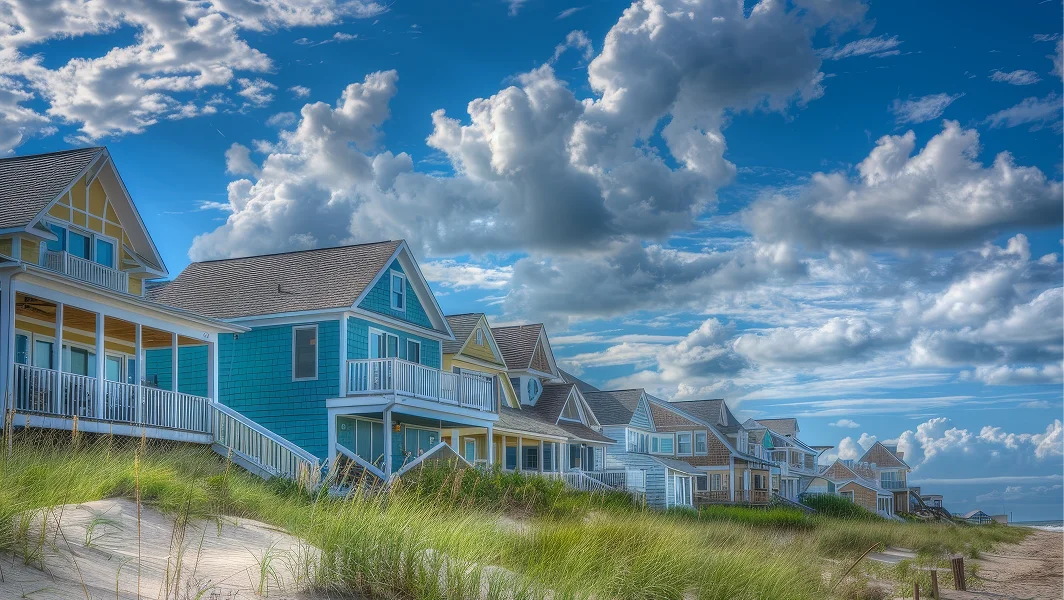
Wild horses roam freely on northern beaches. Five historic lighthouses stand watch over more than 100 miles of mostly undeveloped coastline. Traditional high-rise hotels? Practically nonexistent. The Outer Banks isn't your typical beach destination — it's a string of barrier islands where vacation rental homes are the dominant form of accommodation and where many families return to the same property year after year.
Whether you're planning your first OBX vacation or already own property here and are curious about rental potential, this guide covers what makes the Outer Banks work for both visitors and homeowners in 2026.
The Outer Banks offers something most beach destinations can't: a perfect balance of natural beauty, historical significance, and small-town charm without the crowds and commercialization of typical resort towns. Stretching from Corolla in the north to Ocracoke Island in the south, the OBX is made up of several distinct communities, each with its own character.
Unlike densely developed beach towns packed with high-rise hotels, the Outer Banks has preserved its coastal character. The majority of accommodations here are vacation rental homes, creating a family-friendly atmosphere where travelers can spread out, cook meals together, and truly relax. This preference for home rentals over hotels is one reason why the OBX vacation rental market remains so strong.

The Outer Banks offers dozens of attractions, but if you're planning your first visit, these eight experiences define what makes OBX unique. Can't-miss experiences: Wild horses of Corolla, Cape Hatteras Lighthouse, and Wright Brothers Memorial capture the area's natural beauty and history. Best for families: Jockey's Ridge State Park and fresh seafood dining. For outdoor enthusiasts: Water sports and the historic lighthouse tour.
One of the most unique attractions on the Outer Banks is the population of wild horses roaming the beaches of Corolla and the 4x4 areas to the north. These mustangs are descendants of Spanish horses that arrived centuries ago, and today they're protected by law. Guided wild horse tours are extremely popular with families, offering a chance to see these majestic animals in their natural habitat while learning about the area's history.
The Cape Hatteras Lighthouse is an icon of the Outer Banks and the tallest brick lighthouse in North America at 210 feet. Its distinctive black-and-white spiral pattern has made it one of the most photographed lighthouses in the world. While the lighthouse is currently closed for climbing due to ongoing structural renovations (expected through late 2026), visitors can still enjoy the exterior and visit the nearby Bodie Island Lighthouse for similar panoramic views of the Atlantic Ocean and Pamlico Sound.
The lighthouse is part of the Cape Hatteras National Seashore, a 70-mile stretch of protected coastline that offers pristine beaches, excellent fishing, and opportunities for birdwatching at the Pea Island National Wildlife Refuge.
The Outer Banks is where aviation history was made. In 1903, Orville and Wilbur Wright achieved the first powered flight at Kill Devil Hills, forever changing the course of human transportation. The Wright Brothers National Memorial preserves this historic site, featuring a visitor center with a replica of the 1903 Wright Flyer, exhibits on the brothers' experiments, and a monument atop Big Kill Devil Hill that marks the spot where history took flight.
Jockey's Ridge is home to the tallest natural sand dune system on the East Coast, with dunes reaching heights of up to 100 feet. The park is a hotspot for hang gliding (Kitty Hawk Kites has been offering hang gliding lessons here since 1974), and it's also a favorite spot for sandboarding, kite flying, and watching spectacular sunsets over the Roanoke Sound. The constantly shifting dunes create a landscape that's different with every visit.
The Outer Banks is a paradise for seafood lovers. From casual fish shacks to upscale waterfront restaurants, the area offers an incredible variety of dining options featuring fresh-caught tuna, mahi-mahi, flounder, shrimp, and the famous North Carolina blue crab. Many restaurants are family-owned and have been serving the community for generations, adding to the authentic coastal experience.
Popular dining spots include Fish Heads Bar & Grill in Nags Head (known for its tiki bar atmosphere), Outer Banks Brewing Station (the first wind-powered brewery in America), and the many fresh seafood markets where visitors can buy the day's catch to prepare in their vacation rental homes.
The Outer Banks is a world-class destination for water sports. The area is particularly famous for:
Kiteboarding and windsurfing - The Pamlico Sound near Avon (known as "Canadian Hole") is considered one of the best kiteboarding spots on the East Coast due to consistent winds and shallow, warm waters.
Surfing - The Atlantic-facing beaches offer excellent waves, especially around the piers in Nags Head and Rodanthe.
Fishing - Whether surf fishing, pier fishing, or booking a deep-sea charter, the Outer Banks offers some of the best fishing on the East Coast. The area is known as the "Billfish Capital of the World."
Kayaking and paddleboarding - The calm waters of the Pamlico Sounds are perfect for kayaking, with opportunities to explore marshlands and spot wildlife.
History buffs will appreciate a visit to Roanoke Island, where England's first attempt to colonize the New World took place in 1587. The colony mysteriously disappeared, becoming one of America's greatest unsolved mysteries. Today, visitors can watch "The Lost Colony," the nation's longest-running outdoor drama (performed since 1937), explore the Elizabethan Gardens, and visit the Roanoke Island Maritime Museum in the charming town of Manteo.
The Outer Banks is home to five historic lighthouses: Currituck Beach Lighthouse, Bodie Island Lighthouse, Cape Hatteras Lighthouse, Ocracoke Lighthouse, and Roanoke Marshes Lighthouse. Each tells the story of the area's treacherous waters, known as the "Graveyard of the Atlantic" due to the hundreds of shipwrecks along the coast. Several lighthouses are open for climbing seasonally, and all offer beautiful photo opportunities.
%208.webp)
For those who already own a home in the Outer Banks, the rental market offers an opportunity to offset ownership costs while sharing this special place with visitors. Here's what makes the OBX rental market work well for homeowners:
The Outer Banks has seen strong and evolving demand patterns in recent years. While the market has normalized after the exceptional post-COVID travel surge of 2021-2023, demand remains solid for well-managed properties in desirable locations.
Annual occupancy varies widely based on location and property quality. The overall OBX market averages around 37%, but well-managed premium properties in top locations like Corolla and Duck oceanfront can achieve 50-55% annual occupancy, with peak summer weeks reaching 70-85%. Location, amenities, and property management make a significant difference in performance.
What's particularly noteworthy for homeowners is the growth in shoulder season tourism. Spring and fall visitation has increased significantly, with April, May, and September now seeing occupancy rates that would have been considered peak-season numbers a decade ago. This extends the rental season well beyond just the traditional summer months.
Many homeowners find their Outer Banks properties perform well as rentals. Revenue varies significantly based on location, size, amenities, and management quality.
Premium oceanfront homes in Corolla and Duck with pools and hot tubs can generate $80,000-$120,000+ annually, while well-located properties in other areas typically earn $40,000-$75,000 depending on property type and management approach.
Important factors affecting revenue:
• These figures reflect premium, well-managed properties with professional property management — overall OBX market averages around 37% occupancy
• Top performers typically have pools, hot tubs, updated interiors, and strong online reviews
• Oceanfront properties earn significantly more than soundside/canal properties in the same area.
• Larger 6+ bedroom oceanfront homes in Corolla/Duck can exceed $150k-$200k+ in strong years
• Properties with limited amenities or deferred maintenance may earn 30-50% below these ranges
• Actual results depend on property condition, location specifics, pricing strategy, and management quality
The key is finding the right balance between competitive pricing and property quality. Homes that are well-maintained, properly equipped, and fairly priced continue to perform well even as the market has normalized from the exceptional post-pandemic years.
This rental income helps offset the costs of property ownership: mortgage payments, property taxes, insurance, and maintenance. It allows families to enjoy their Outer Banks home without the full financial burden of a second property sitting vacant most of the year.
Outer Banks visitors tend to plan ahead, with many booking their vacations several months in advance. This forward-planning culture is particularly strong for summer weeks, when families secure their preferred properties well ahead of time.
For homeowners who rent their properties, this advance booking pattern is incredibly helpful. You can block out the weeks you want to use your home for personal vacations well in advance while still maintaining strong rental bookings for the weeks you're not there.
Interestingly, the rise of remote work has also created new booking patterns, with some visitors extending their stays or booking mid-week arrivals to work from the beach. This flexibility has contributed to growing demand outside traditional peak periods.
The average length of stay in the Outer Banks is 5 nights, compared to the national average of 4.3 nights. Many properties operate on weekly turnover schedules (Saturday to Saturday) during peak season, with families renting for full weeks to maximize their beach time.
%2010.webp)
The Outer Banks is not a single destination but rather a collection of distinct communities, each offering something different:
The northern beaches are known for luxury vacation homes, upscale shopping and dining in Duck, and the wild horses of Corolla. The 4x4 beaches north of Corolla offer the most secluded and pristine beach experience, accessible only by four-wheel-drive vehicles. This area attracts affluent families looking for high-end amenities and privacy.
The central beaches offer the most accessibility to attractions, dining, and shopping. This is where you'll find the Wright Brothers Memorial, Jockey's Ridge State Park, and the highest concentration of restaurants and entertainment. Properties here appeal to families seeking convenience and activity options.
For a different pace, Roanoke Island offers charming downtown Manteo with waterfront shops, galleries, and restaurants. This area is less beach-focused and more about cultural attractions, making it appealing to history enthusiasts and those seeking a quieter, small-town atmosphere.
Hatteras Island is beloved by nature lovers, surfers, and anglers. The communities here are smaller and more laid-back, with spectacular beaches, world-class fishing, and the iconic Cape Hatteras Lighthouse. Properties on Hatteras tend to be more affordable than the northern beaches while still offering strong rental performance.
Accessible only by ferry, Ocracoke is the most remote and peaceful of the Outer Banks communities. The island has a bohemian, artistic vibe and attracts visitors seeking an escape from modern life. The rental season here is shorter, but the island has a devoted following of repeat visitors.

Many homeowners successfully rent their properties when they're not using them. Several factors make this arrangement work particularly well:
1. Drive-to Destination: The OBX is within a day's drive of major metropolitan areas including Washington D.C., Richmond, Raleigh-Durham, Charlotte, and even portions of the Northeast. This accessibility means consistent demand from families looking for easy weekend getaways and week-long vacations.
2. Vacation Rental Culture: Unlike beach destinations dominated by hotels, rental homes are the norm here. Guests expect and prefer this style of accommodation, which creates natural demand for properties.
3. Family-Friendly Appeal: The Outer Banks offers the perfect mix of beach relaxation and educational attractions (Wright Brothers, lighthouses, and maritime history), making it ideal for multi-generational family vacations. Families are often willing to book further in advance and stay longer.
4. Natural Beauty: The protected national seashore ensures that large stretches of coastline remain undeveloped, preserving the coastal character that keeps guests coming back.
5. Strong Repeat Visitor Base: Guest loyalty is extremely high in the Outer Banks. Many families return to the same rental home year after year. Once homeowners establish a good relationship with guests through a property management company, they can build a reliable base of returning renters.
6. Professional Property Management: The area has numerous well-established property management companies with decades of experience. These companies handle everything from marketing and bookings to maintenance and guest services, making it easy for homeowners to rent their property without being personally involved in day-to-day operations. Many families prefer booking through local companies who have deep knowledge of the area and long-standing reputations, creating relationships built on trust.

One of the most significant trends in Outer Banks tourism has been the growth in spring and fall visitation.
After the record-breaking revenue years of 2022-2023, the market experienced a 4.8% decline in 2024 as post-pandemic travel patterns normalized. 2025 showed market stabilization with nearly flat performance compared to 2024, while 2026 is projected to see modest growth of around 1.5%, driven largely by increased shoulder season activity and stronger performance in the Northern Beaches.
Beautiful weather without peak summer crowds, lower accommodation costs, and easier access to popular restaurants and activities make spring and fall increasingly attractive. Properties that might have sat empty in April or October a decade ago can now generate rental income during these months — though this growth is most pronounced for well-maintained homes with competitive pricing and strong online reviews. Some property managers report that shoulder season weeks now book nearly as well as many summer weeks, extending the rental period significantly.
Events and festivals have also contributed to this growth. The Outer Banks Visitors Bureau has invested in creating and promoting shoulder season events (from food festivals to athletic competitions) that give visitors additional reasons to plan trips outside of summer. This shift toward more sustainable, year-round tourism is healthier for the overall market than the volatile boom-and-bust cycles.
Whether you're planning a family vacation or already own a home here and are considering sharing it with guests, the area offers an authentic coastal experience that continues to draw millions of visitors each year. The combination of natural beauty, historical attractions, water sports, and small-town charm creates a destination that appeals to a wide range of travelers.
The Outer Banks brings people back year after year. That enduring appeal, combined with thoughtful property management and realistic expectations, continues to make OBX a special place for families who own homes here.
September and October offer the best combination of warm weather, comfortable ocean temperatures, and lower crowds. Summer (June-August) is peak season with the warmest weather but higher rates and more visitors.
Weekly rental rates vary by season and location, ranging from $2,000-$4,000 for standard properties in shoulder season to $5,000-$15,000+ for premium oceanfront homes during peak summer weeks.
Yes, ocean swimming is popular from May through October, with water temperatures reaching the mid-to-upper 70s in summer. The Outer Banks offers both Atlantic Ocean beaches and calmer Pamlico Sound waters.
The Outer Banks is approximately 3.5-4 hours from Washington D.C., 4 hours from Richmond, 3.5 hours from Raleigh, and 5 hours from Charlotte, making it an easy drive-to beach destination.
The Outer Banks offers a quieter, more natural beach experience with historic attractions and preserved coastline, while Myrtle Beach has more commercial development and entertainment options. OBX is preferred by families seeking vacation rental homes over hotels.
Annual rental income typically ranges from $40,000 to $75,000 for well-located properties in most areas and $80,000 to $120,000+ for premium oceanfront homes in Corolla and Duck with pools and amenities.
The overall OBX market averages around 37% annual occupancy, while well-managed premium properties in top locations can achieve 50-55% with strong shoulder season bookings.
While not required, most successful homeowners work with local property management companies who handle marketing, bookings, cleaning, maintenance, and guest services. This allows you to rent your property without day-to-day involvement.
Whether you're planning your first visit or already own a home here and are curious about rental potential, understanding the current market landscape helps you make informed decisions. The market has stabilized, spring and fall periods continue to strengthen, and the right approach can help you balance personal enjoyment with realistic rental income from your coastal property.
For OBX Homeowners: Curious what your property could realistically earn? Triad Vacation Rentals offers free rental analyses for Outer Banks homeowners. No obligation, just honest market data.




%20Rules.webp)



Guest Experience &
After-Hours Support: