Case Studies
How We Raised Profit 23% in 2 Months — by Taking Back Pricing Control


Updated on:
June 17, 2026

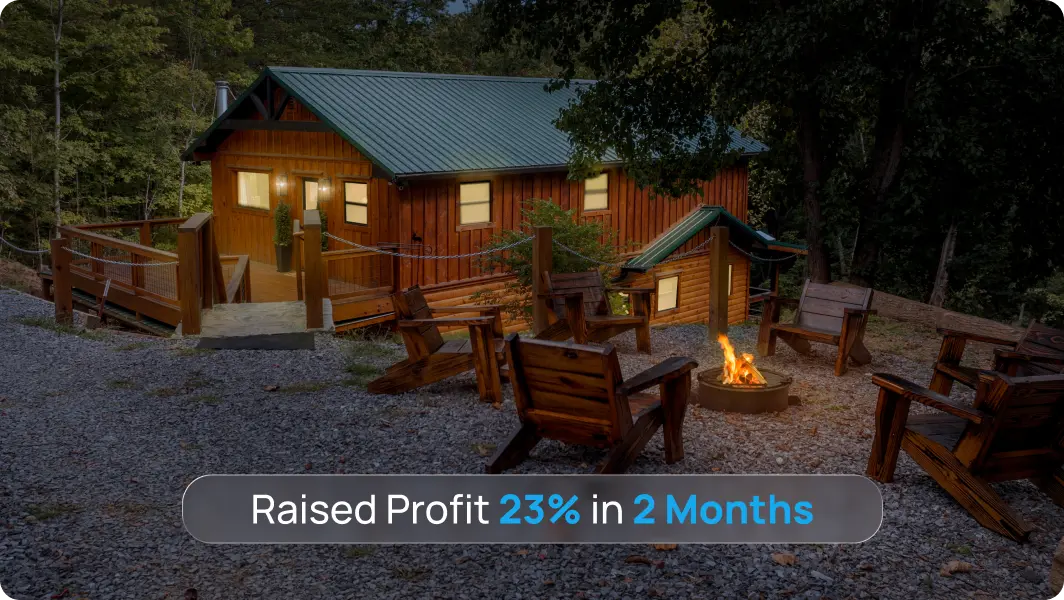
Brenda was frustrated.
Her cabin in the Smoky Mountains had good fundamentals. Guests were happy. Reviews were great. But before switching to Triad, she was using the Evolve algorithm for pricing—and her rates kept getting automatically dropped to $150/night to fill calendar gaps.
After paying her housekeeper $200 per stay, she was barely breaking even — making less than $150 profit per night on a property with a hot tub, game room, and outdoor kitchen.
"I felt helpless," Brenda said. "The system was working against me, and I had no control."
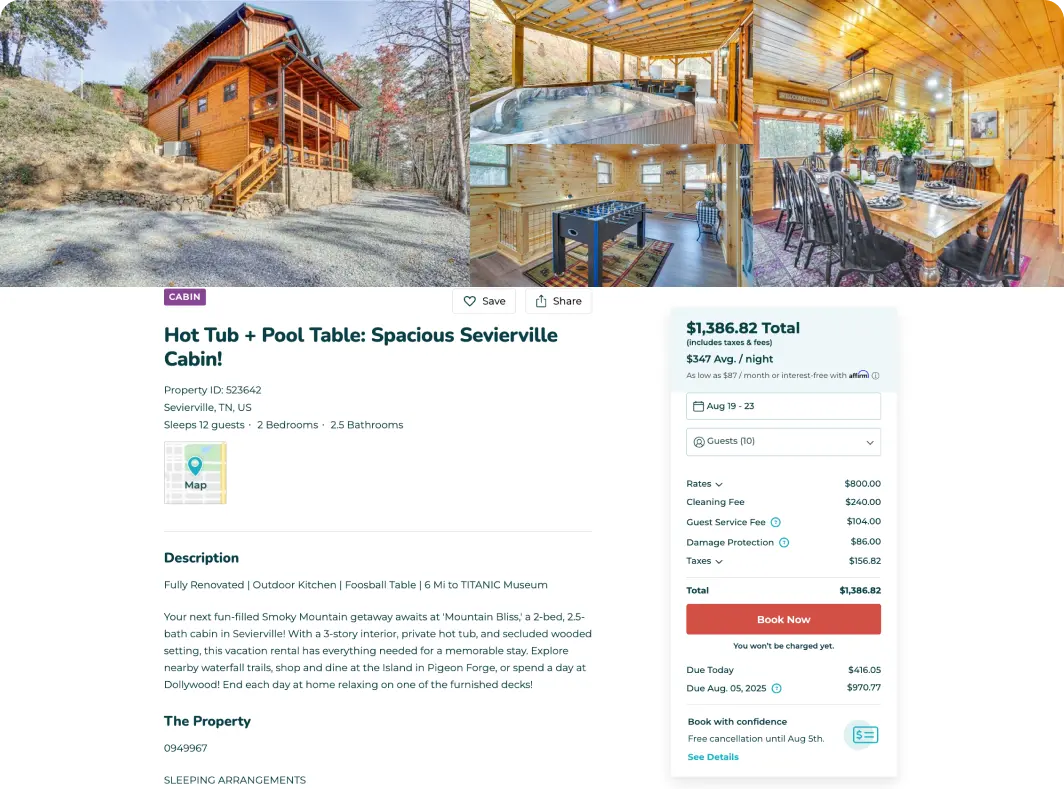
This wasn't a cabin problem. This was a pricing system problem.
Many automated pricing systems optimize for ONE metric: occupancy. Lower the price → fill the calendar. But filling a calendar doesn't equal profitability.
Brenda's cabin had everything going for it. Everything except money.
Brenda was tired of watching her rates drop automatically. Triad helped her take back control with a three-step approach:
Triad analyzed operating costs and market conditions to determine that a $200/night minimum was both sustainable and competitive. That floor was non-negotiable—no exceptions, no discounts, no dropping below it.
Instead of blindly raising prices and hoping for the best, Triad's data-driven pricing system:
Here's where most owners get scared: Occupancy might drop.
Many automated systems warn that higher prices = fewer bookings. But Triad did the math first — analyzing Brenda's costs and market conditions to determine the optimal floor. Then we monitored the market for 2-3 weeks to see what actually happened.
The data told the story.
BEFORE vs. AFTER: THE TRANSFORMATION
Brenda lost only 5% occupancy. She gained 23% profit.
After setting the $200/night minimum, we tracked the data constantly:
Click-through rates remained stable. Guests were still interested even at the higher minimum. They weren't abandoning the listing—they were still clicking to view and considering it.
Booking velocity stayed consistent. The market could bear the $200 floor. People were still converting to bookings.
Guest quality improved. Higher-paying guests meant fewer cancellations, better reviews, and less property damage. The guests who book at $200/night treat the cabin differently than budget shoppers at $150.
Once we maintained quality at higher prices, guests continued booking at 5-star rates. Airbnb's algorithm rewarded this with a Guest Favorite badge — which boosted visibility in search results and attracted premium guests willing to pay more.
The cycle became self-reinforcing: Quality guests → 5-star reviews → Better search ranking → More bookings at higher rates → More revenue
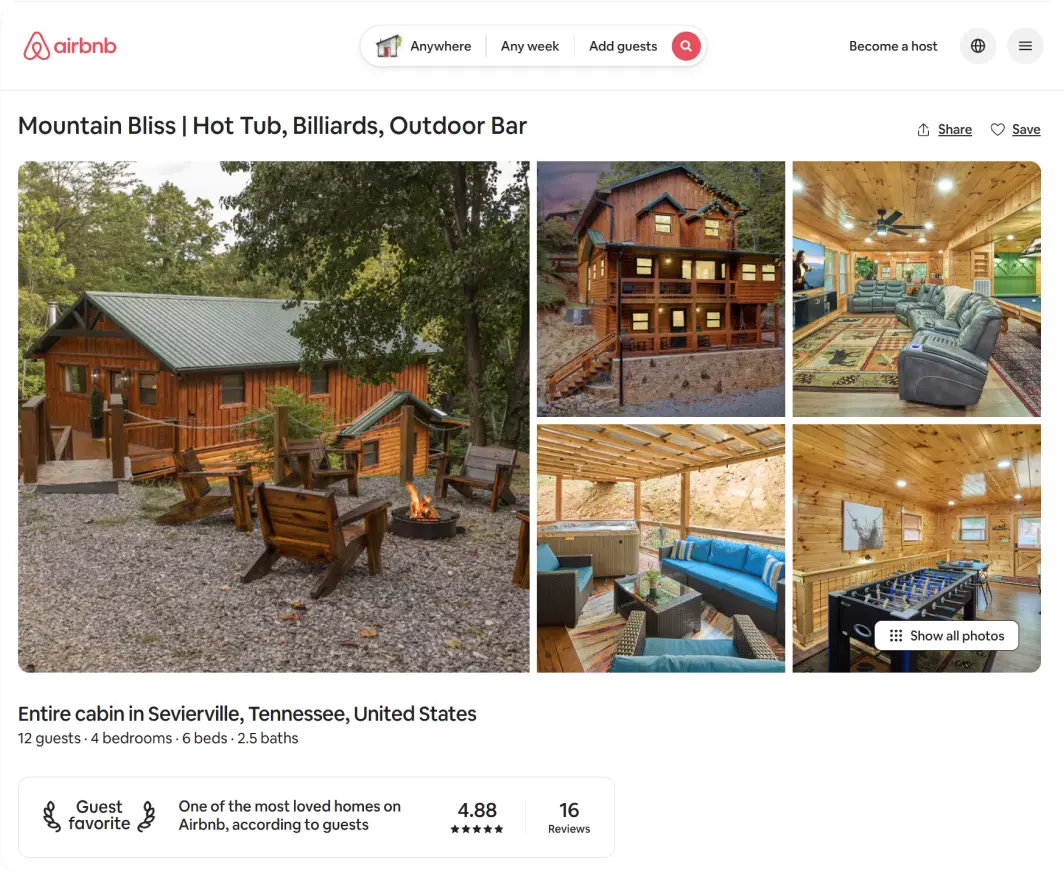
Brenda lost only 5% occupancy but gained 23% revenue. Instead of accepting automated rate drops, she partnered with Triad's data-driven approach. The numbers proved the strategy: more profit with smarter pricing.
This proves something crucial:
The mistake most owners make: obsessing over occupancy percentage instead of profit.
As Brenda's results show, 60% occupancy at $200/night beats 65% at $150/night—every single time.
Don't obsess over:
DO track:
If CTR stays stable when you raise prices, the market can bear it. Trust the data.
In Brenda's case—and consistently across our portfolio—when you focus on strategic pricing instead of just occupancy, you get:
Brenda's cabin runs better at 60% occupancy with quality guests than it did at 65% with budget shoppers hunting for deals.
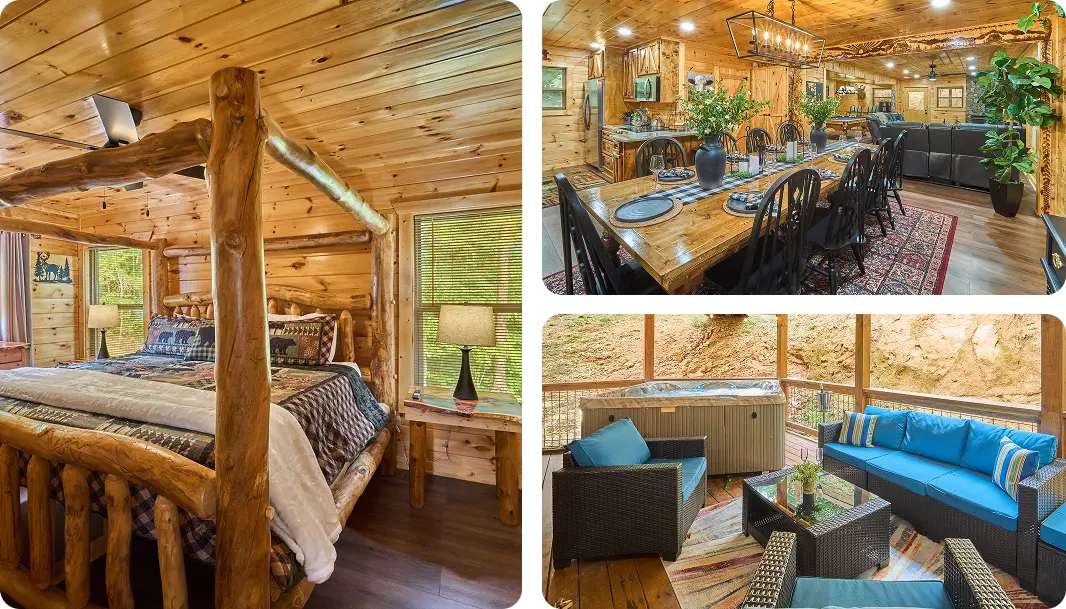

Location: Smoky Mountains, near Pigeon Forge (10 miles from Dollywood)
Property: 3-story luxury cabin, sleeps 10-12 guests
Amenities: Hot tub, game room, outdoor kitchen, wood stove
Results: Guest Favorite badge achieved within 2 months | $200 minimum pricing | 60% occupancy (selective, not desperate) | ~$3,600 monthly revenue
Brenda's cabin proves something important: You have more control than you think.
When you:
Then you can win.
The cabin is now profitable. Brenda sleeps better. And she's not watching her rates get mysteriously dropped by a system she doesn't understand.
Brenda's reaction: "I finally feel like I'm in control of my business. I'm making real money now, not just filling a calendar."
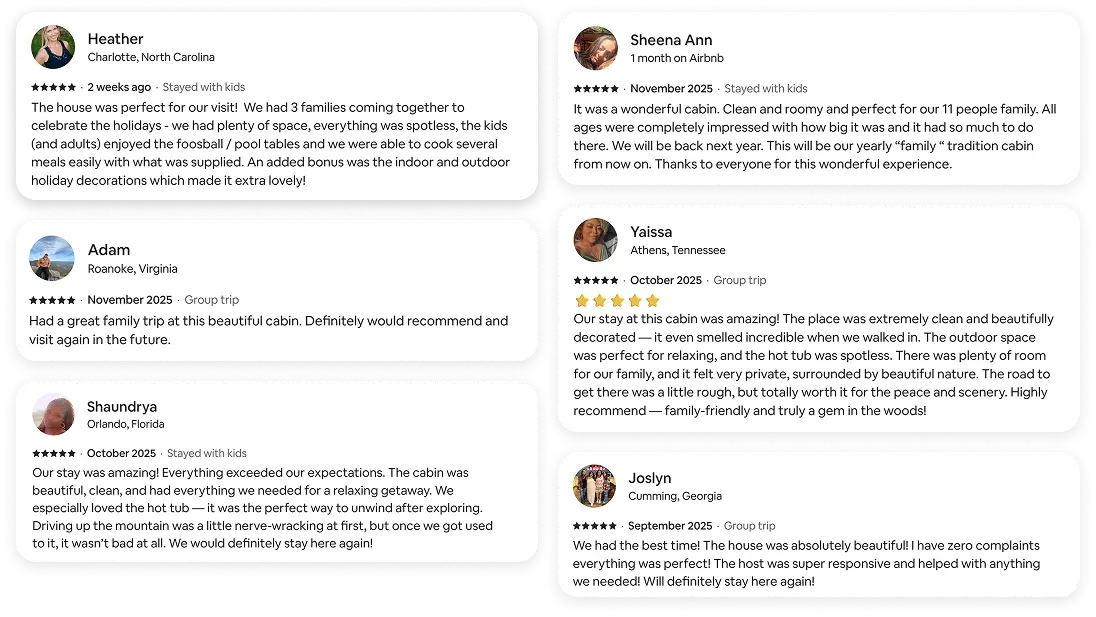
If you're managing a property in Pigeon Forge, Gatlinburg, or anywhere in the Smoky Mountains and watching automated pricing drop your rates to fill the calendar, you're not alone.
Let's analyze your current rates, identify where you're losing profit, and build a data-driven pricing strategy tailored to your Smoky Mountains market.
Book a free pricing analysis with Triad today.



Guest Experience &
After-Hours Support: