Local Insights


Colorado Springs has over 2,100 active short-term rental listings. No permit cap, no lottery, no waitlist. And properties are hitting 68% year-round occupancy with $40,000 in median annual revenue.
While most Colorado cities tighten STR regulations with primary residence rules and permit lotteries, Colorado Springs maintains one of the state's last truly host-friendly markets. Here's why non-owner STR hosting still works here, and how property owners are capitalizing on it.
Colorado Springs has something most vacation rental markets don't: a massive military presence that generates year-round demand regardless of tourism trends or seasonal fluctuations.
The city is home to five major military installations:
• Fort Carson: One of the largest Army bases in the country.
• U.S. Air Force Academy: Graduation ceremonies alone bring thousands of families to town multiple times per year.
• Peterson Space Force Base: Headquarters of U.S. Space Command.
• Schriever Space Force Base: Critical space operations center.
• Cheyenne Mountain Air Force Station: The iconic underground command center.
Fort Carson and surrounding bases connect to over 89,000 people. Active-duty personnel, family members, and civilian employees. That's more residents than some entire Colorado towns, and the vast majority live off-base. This creates massive demand for temporary housing during relocations and family visits.
These installations create multiple layers of STR demand:
Relocating military families need temporary housing while searching for permanent residences. Unlike hotels, short-term rentals offer the space, kitchens, and flexibility families need during transitions.
Visiting family members drive consistent weekend and week-long bookings throughout the year. Air Force Academy graduations alone are mini "blackout" periods. Families book entire-home STRs because they need kitchens and parking for multiple vehicles.
Temporary duty assignments (TDY orders) generate weeks or months of extended-stay revenue that hotels can't match.
Veteran reunions and military events fill vacation rentals during traditionally slower periods when leisure travel drops.
Talk to any local property manager, and they'll tell you the same thing: local property managers estimate military-related bookings account for 30-40% of annual STR demand in Colorado Springs. That's your foundation of stability when ski towns go bust or beach destinations empty out.
Here's the key advantage. Military demand doesn't follow tourism seasonality. Leisure travelers flock to Colorado Springs in summer, sure. But military families relocate year-round. Graduations happen on fixed schedules. TDY assignments continue through winter months when other Colorado markets see occupancy drop.
Military guests are also the most reliable segment. Lower cancellation rates, higher percentage of 5-star reviews, willing to pay a premium for kitchens and parking. They're the backbone of year-round cash flow.

But military demand is only half the story. Colorado Springs also benefits from one of Colorado's most diverse tourism economies, and it doesn't live or die by ski season.
The Pikes Peak Region welcomed 25.5 million visitors in 2024, generating $3.1 billion in tourism spending. Visitor numbers can fluctuate based on economic conditions and travel costs, but the military foundation provides stability that pure leisure destinations don't have.
Here's the buffer: Military demand continues regardless of broader travel trends. Service members relocate on orders. Families visit on fixed schedules. TDY assignments proceed year-round.
Unlike Aspen, Vail, or Breckenridge, Colorado Springs doesn't live or die by ski season. That diversification is critical for consistent performance.
The region's top attractions drive year-round demand. Pikes Peak is the iconic summit experience, accessible by highway and cog railway. Garden of the Gods offers free admission, which means tourists allocate more budget to lodging. And Manitou Incline is the brutal hike that creates massive demand for hot tubs and recovery amenities.
Add in family attractions like Cheyenne Mountain Zoo, the U.S. Olympic Training Center, and adventure tourism sites, and you have diversified demand that doesn't depend on ski season.
The result? Colorado Springs has strong seasonality without total dependency. Peak season runs from June through August, when occupancy climbs above 75% and daily rates increase substantially. But unlike ski towns that see occupancy crater in summer or beach destinations that empty in winter, Colorado Springs maintains steady occupancy even in off-peak months. Military demand and year-round outdoor access make it work.
This creates predictable cash flow for property owners. You're not gambling on a single three-month ski season or praying for good snow. You're tapping into 12 months of diversified demand.
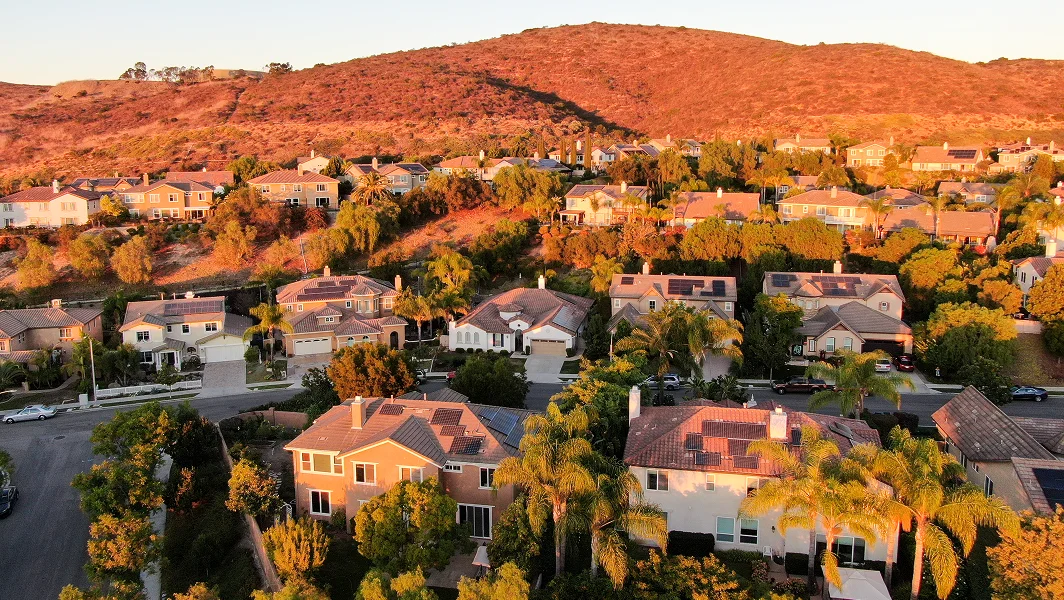
Let's look at what Colorado Springs Airbnb and vacation rental properties are actually earning in 2026, using data from Airbotics, AirDNA, and local market reports.
Important: These figures reflect median performance for well-managed entire-home listings in STR-eligible zones. Actual results vary based on location, amenities, and management quality.
Peak season (June-July) exceeds 75% occupancy with higher daily rates. Shoulder months maintain solid mid-60s occupancy. Winter months still achieve strong occupancy, which is significantly higher than ski-dependent markets during their off-seasons.
This year-round consistency is the military foundation at work. While leisure markets crater outside peak season, Colorado Springs maintains stable bookings through relocations, graduations, and TDY assignments.
After accounting for property management fees, cleaning, utilities, and maintenance, net operating income typically lands in the $18,000 to $23,000 range for an average-performing property. Strong returns in a market with relatively affordable real estate compared to other Colorado markets.
Competition has increased over the past two years. Over the past year, Colorado Springs has seen a 15.2% increase in active listings and a 30.1% increase in annual revenue, though occupancy has declined slightly by 2.9% as competition grows. Successful hosts differentiate through premium amenities, professional photography, dynamic pricing, and fast response times to maintain above-average occupancy.
The highest performers exceed $60,000 in annual revenue with occupancy above 80%. These properties typically feature:
• Mountain or Pikes Peak views
• Hot tubs (massive demand post-Manitou Incline)
• Pet-friendly policies (pet-friendly listings earn premium rates due to military family demand and limited supply)
• Proximity to Garden of the Gods or Manitou Springs • 3+ bedrooms (appealing to military families and groups)
• Professional photography and optimized listings
• Fast WiFi for remote workers and digital nomads
Colorado Springs zoning rules are specific. One wrong address means no permit. Before you list, invest in, or commit to a property, verify:
• Zoning eligibility (commercial/mixed-use vs. residential)
• Buffer distance compliance
• ADU restrictions (June 2025 rule)
• Grandfathered permit status (if applicable)
Use the city's Springs View mapping tool or contact the city's STR office with your specific address. Professional property management companies like Triad can also verify eligibility before you invest.

Understanding your guest demographics is critical for maximizing performance. Colorado Springs attracts a uniquely diverse mix.
Military families (30-40% of demand): Relocations, graduations, family visits, and TDY assignments. These guests book for several nights, value space and kitchens, and are less price-sensitive than leisure travelers. They deliver the most 5-star reviews and lowest cancellation rates. The backbone of year-round cash flow.
Adventure tourists: Hikers tackling the Manitou Incline, climbers at Garden of the Gods, and families visiting Pikes Peak. Peak season bookings and multi-night stays prioritize trailhead proximity.
Remote workers and digital nomads: Book for several weeks at a time, need reliable WiFi, and prefer quiet neighborhoods with mountain views. Longer stays equal fewer turnovers.
Event-driven demand: Olympic Training Center events, Air Force Academy games, Broadmoor conferences, and marathons create compression weekends with premium rates.
• Mountain views (properties with Pikes Peak views command premium rates)
• Pet-friendly policies (huge demand from military families; limited supply equals pricing power)
• Hot tubs (especially for post-hike recovery)
• Outdoor space (patios, yards, fire pits)
• Parking (essential, not optional) Military families often have multiple vehicles.
• Full kitchens (military families and longer-stay guests need cooking facilities)
• Fast WiFi (non-negotiable for remote workers, increasingly important for all segments)
For a complete breakdown of must-have amenities, see our complete Airbnb amenities checklist.

Now that you understand why Colorado Springs delivers consistent performance, here's how property owners can actually access this market.
Colorado's short-term rental landscape has become increasingly restrictive across the state:
• Primary residence requirements: Many cities now require hosts to live in the property
• Permit caps and lottery systems: Creating months-long waitlists for new applicants
• Residential zone bans: Limiting STRs to commercial areas only
• Strict enforcement: Software tracking and substantial fines for violations
Colorado Springs took a different approach.
The city adopted its current short-term rental ordinance at the end of 2019, establishing a framework that balances neighborhood concerns with property owner rights. Here's what makes it different.
Non-owner-occupied STRs are still legal. Unlike many Colorado cities, you don't have to live in the property to rent it short-term. Property owners can operate vacation rentals even if it's not their primary residence. Critical advantage for anyone with a second home, inherited property, or vacation rental they want to manage professionally.
No citywide cap on permits. Colorado Springs doesn't limit the total number of short-term rental licenses issued. There's no lottery system, no waitlist, and no scramble for a fixed pool of permits. If your property meets the requirements, you can get licensed.
Grandfathered protection for existing operators. Properties that secured permits before the 2019 zoning restrictions remain protected as long as owners maintain active permits and renew annually. Only about 200 non-owner-occupied permits were grandfathered in. These properties are rare gems in Colorado's STR landscape. If you own one, you have a significant advantage.
Reasonable annual fees. Colorado Springs' permit fees are among the most affordable in Colorado. Mountain towns often charge substantially more annually.
Critical 2025 update: As of June 30, 2025, new rules prohibit STR permits on properties with Accessory Dwelling Units (ADUs). If you have an ADU on your parcel, you can no longer get a new STR permit for the main house. But grandfathered properties (permitted before that date) remain protected. Another reason to work with local experts who track regulatory changes.
But it's not a free-for-all. Non-owner-occupied STRs are prohibited in single-family residential zones, must maintain a buffer from one another, and are only permitted in commercial and mixed-use districts. We'll break down exactly where you can (and can't) host in the Zoning Navigation section below.
The buffer rule and single-family residential restrictions mean location research is critical if you're considering operating a non-owner-occupied STR. Getting the address right is everything. Zoning determines whether your property qualifies before you invest a dollar.
• Commercial zones
• Mixed-use districts
• Planned Unit Developments (PUD) with commercial components
• Multi-family residential
• Single-family residential zones
• Single-family PUDs
• NEW: Properties with ADUs (as of June 30, 2025)
1. Use the city's Springs View mapping tool. Enter your address to check existing STR permits and confirm zoning designations. Look for the "Short Term Rentals" layer under Planning-Administration.
2. Verify the buffer distance. If you're planning a non-owner-occupied rental, measure the distance to any existing non-owner STR permits. The city strictly enforces this rule for new applications.
3. Check for grandfathered properties. Only about 200 non-owner-occupied permits were grandfathered before December 26, 2019. These are exempt from the buffer and single-family residential restrictions as long as owners maintain continuous permit renewal. If you own one, you have a protected advantage.
4. Contact the city's STR office with your specific address before committing to STR operation. The city's planning staff can confirm eligibility and flag potential issues.
• Downtown Colorado Springs (615 active listings, $142 ADR — mixed-use zoning, walkable, near attractions)
• Cascade (214 active listings, $230 ADR — premium mountain location)
• Old Colorado City (commercial corridor, artsy vibe, close to Manitou Springs)
• Proximity to commercial corridors along major roads where zoning shifts from residential to commercial
• Deep residential neighborhoods far from commercial zones
• Properties within the required buffer distance of existing non-owner STR permits
• Areas with active HOAs that restrict short-term rentals (verify before committing)
• Properties with ADUs (new restriction as of June 2025)
The good news? Colorado Springs still has eligible inventory. Unlike mountain towns where available STR-eligible properties have been picked clean, Colorado Springs' larger footprint and mixed zoning create ongoing opportunities for property owners willing to do the research.
Zoning eligibility determines everything. One wrong address and you won't get a permit. Triad verifies zoning eligibility before you list, before you buy, and before you invest a dollar. We track every regulatory update, map the buffer requirements in real-time, and identify grandfathered permits that give properties protected advantages.
Yes, but only in specific zones. Non-owner STRs are allowed in commercial, mixed-use, and multi-family zones. They're prohibited in single-family residential zones and must maintain a buffer from other non-owner STRs.
The annual permit fee is $125, one of the most affordable in Colorado.
Median annual revenue is $40,000, with 68% occupancy and $158 average daily rate. Top performers earn over $60,000 annually.
No. Colorado Springs has no permit cap, lottery system, or waitlist.
Pet-friendly policies, hot tubs, mountain views, fast WiFi, parking for multiple vehicles, and proximity to Garden of the Gods drive the highest performance.
No. As of June 30, 2025, new STR permits are prohibited on properties with ADUs. Grandfathered properties remain protected.
Use the city's Springs View mapping tool or contact the city's STR office with your specific address.
Military bookings account for 30-40% of demand, creating year-round stable demand with the lowest cancellation rates and highest review ratings.
Denver requires primary residence. Colorado Springs allows non-owner hosting in commercial and mixed-use zones with no permit cap.
Peak season (June-July) exceeds 75% occupancy. Winter maintains strong occupancy thanks to military demand, unlike ski towns that crater in the off-season.

Colorado Springs isn't just "another" STR market. It's a rare combination of stability (military foundation), year-round tourism, and regulatory freedom (no caps, no waitlists).
• 68% year-round occupancy beats many Colorado markets and rivals mountain destinations without ski dependency.
• $40,000 median annual revenue (Airbnb/Vrbo combined), with top performers exceeding $60,000.
• Non-owner hosting is still allowed in commercial and mixed-use zones.
• No citywide permit caps. No lottery, no waitlist.
• Military demand provides a year-round foundation, creating stability when tourism softens.
• Only about 200 grandfathered non-owner permits exist — rare advantages for those who own them.
• Zoning research is critical — buffer requirements, residential restrictions, and ADU rules require due diligence.
Tourism numbers fluctuate based on economic conditions, but 30-40% military demand and year-round attraction diversity make Colorado Springs more resilient than pure leisure destinations. Properties with premium amenities (pet-friendly, hot tubs, Pikes Peak views) continue to outperform even during softer periods.
One wrong address and you don't get a permit. Zoning is everything.
While Colorado Springs offers regulatory advantages over Denver and Boulder, industry data ranks it in the lowest 17% for short-term rental yield nationally. Success here requires strategic property selection, premium amenities, and professional management — not just buying any property and hoping for the best.
Triad verifies zoning eligibility, buffer requirements, and ADU status before you invest. We track every regulatory change (like the June 2025 ADU restriction) so you don't get blindsided. We prevent permit denials, optimize listings for military and tourist demand, and help property owners hit strong occupancy benchmarks year-round.
Ready to start hosting in Colorado Springs? Send us your property address — we'll run a free eligibility check within 24 hours.



%20Rules.webp)






Guest Experience &
After-Hours Support: