Local Insights

Most Pensacola hosts treat their properties like every other Florida beach rental—summer peak, winter slump, hope for bookings. But that's because they're competing in the wrong market.
Pensacola isn't one destination. It's five distinct markets, each with different guest types, seasonal peaks, booking patterns, and rate potential. A property positioned correctly for one segment can earn 30-50% more revenue than a property competing generically on price.
The hosts who understand this—who know exactly who they're targeting, when those guests book, and which platforms they use—dominate occupancy. The ones who don't stay stuck at 50-60% occupancy wondering why.
This guide breaks down Pensacola's five hidden segments and exactly how to position your property to capture them.
.webp)
History enthusiasts, educators, restoration professionals, and couples seeking authentic urban experiences. These aren't budget travelers—they specifically seek "historic accommodation" and are willing to pay premium rates for architectural integrity, original hardwood floors, and genuine character.
They stay longer (4-7 nights on average), book for specific events (Seville Historic District tours, Civil War heritage lectures), and spend money at local restaurants and galleries during their stay.
Primary platform: Airbnb (cultural guests search "historic accommodation" here first)
Secondary platform: Booking.com (European history enthusiasts search Booking before Airbnb)
Peak seasons: Spring (March-May) for heritage tourism, Fall (September-November) for arts events and perfect weather
Counter-intuitive peak: Winter (January-February) for snowbirds and international visitors seeking mild temperatures
Your listing title should immediately signal "historic":
Your description should highlight specific architectural details (original hardwood floors, period bathrooms, exposed brick), walking distance to Palafox Street galleries, museums, Civil War heritage sites, and proximity to Seville Historic District and East Hill neighborhoods.
Create a "Historic Pensacola Welcome Guide" for guests with local galleries, artist studios, historic walking tours, heritage sites, restaurants owners recommend personally, and Civil War architecture details.
What Rates Can You Charge?
Baseline: $120-$180/night (restored charm premium). Spring heritage season: add 15-25% to baseline. Fall arts season: maintain high rates (equal to spring or higher). Winter: stay strong due to consistent arts/culture demand and snowbirds.
Properties within walking distance of Palafox Street command these premium rates. The Naval Aviation Heritage Museum draws 800,000+ visitors annually—families with aviation-enthusiast members often book 5-7 night stays and are chronically underpriced in most listings.
Airbnb dominates for history-focused guests (better algorithm for cultural/authentic searches). Secondary listing on Booking.com for international travelers. VRBO gets fewer downtown bookings but attracts higher rates for multi-night family stays during cultural events—worth listing but not your priority.

Kayakers, paddleboarders, fishing enthusiasts, and families who want daily water access without crowded beach scenes. They specifically search for properties with kayak launch access, boat docks, water views, and proximity to rental partners.
These guests book longer stays (4-8 nights), are less price-sensitive (they're paying for access, not just a room), and generate lower damage rates than typical beach tourists.
Primary platform: VRBO (water sports families search here for multi-night adventures)
Secondary platform: Airbnb (for visibility and shorter stays)
Tertiary channel: Direct booking (if you partner with kayak rental companies, fishing guides, or dolphin tour operators—they refer guests directly)
Counter-intuitive peak: Winter (December-February) draws kayaking and mild-weather water sports enthusiasts escaping northern cold. This is opposite of beach tourism, which peaks summer.
Secondary peak: Spring (April-May) for water activity season and perfect paddling conditions
Your listing title should signal water access:
Your description should highlight direct water access (kayak launch, boat dock, water view), proximity to specific kayak routes, fishing piers, dolphin-watching spots, partnership opportunities with local rental companies, and winter kayaking season with mild climate (15-22°C perfect for water activity).
Create a "Water Sports Welcome Guide" listing kayak launch sites with difficulty ratings and best times, dolphin-watching seasons and peak activity times, boat rental options and dock access, fishing pier locations and species in season, and nature preserve access and wildlife viewing.
What Rates Can You Charge?
Baseline: $100-$150/night (water access premium). Winter water sports season: can EXCEED summer rates (unique selling point). Summer peak: moderate rates (less demand than winter for this segment). Multi-night discounts: offer 10-15% discounts for 5+ night stays to attract families and groups.
Waterfront properties with direct water access can generate 15-20% higher nightly rates than comparable beachfront properties—because supply is limited and demand from specific user segment is high.
VRBO is strongest for water sports families (longer stays, group bookings). Primary Airbnb listing for visibility. Direct booking works particularly well if you partner with local kayak rental companies, fishing guides, or dolphin tour operators—they become your best referral source.

Military families with connections to Naval Air Station Pensacola, aviation history enthusiasts, Blue Angels spectators, and travelers with specific reasons to be in Pensacola (not generic beach tourists).
These bookings are targeted and predictable—they're not high-volume, but they're reliable. Military families visiting stationed relatives book multiple-night stays. Aviation enthusiasts plan around air show dates.
Primary platforms: Airbnb and VRBO equally (both serve this demographic well)
International guests: Booking.com captures European aviation history tourists
Peak periods: Blue Angels Spring Practice (March-April), Blue Angels Homecoming Air Show (typically October-November). Generates $31.5M economic impact annually = concentrated booking demand.
Best positioning: Properties within 5-10 minutes of NAS Pensacola command premium weekend rates during air show weekends
Your listing title should signal aviation connection:
Your description should highlight exact distance from NAS Pensacola and aviation museum, Blue Angels event calendar for the year, military family amenities (parking, quiet spaces), and proximity to aviation heritage sites.
Create a "Aviation & Military Welcome Guide" listing Blue Angels event schedule (dates, times, parking, viewing locations), Naval Aviation Heritage Museum (hours, collections, restoration workshops), NAS Pensacola visitor information and requirements, and aviation history sites and military landmarks.
Special Note for Military Property Owners:
Triad Vacation Rentals proudly serves those who serve. Active duty and veteran property owners receive exclusive military preferred pricing on property management services. Your service protects us—let us protect your investment.
What Rates Can You Charge?
Baseline: $140-$200/night (military/aviation positioning). Blue Angels weekends: add 40-100% (justified by concentrated demand). Military family discounts: consider 10-15% discount for active duty and veterans (brand differentiation + loyalty).
One Blue Angels weekend (3-4 days) at premium rates can generate $2,400-$4,000+ in incremental revenue beyond baseline occupancy.
Airbnb and VRBO equally strong. Booking.com captures international aviation tourists. The key is event-based pricing and clear positioning around Blue Angels dates in your listing title, description, and calendar.

Creative professionals, musicians, arts students, and travelers specifically seeking authentic local culture rather than manufactured tourist experiences. They book Thursday-Sunday stays around specific music events, gallery openings, and cultural festivals—not beach weeks.
These guests write better reviews, stay longer in off-season months, and generate repeat bookings.
Primary platform: Airbnb (culture/experience-focused guests search here first)
Secondary platform: Booking.com (international arts tourists and European culture seekers)
Weak platform: VRBO (less visibility for cultural/experience positioning)
Peak seasons: Fall (September-November) – arts and music events increase, perfect weather. Winter (January-February) – Pensacola Songwriters Festival, Gallery Night events. Spring (April-May) – seasonal cultural events
Your listing title should signal culture:
Your description should highlight walking distance to specific venues (Vinyl, The Phin Lounge, downtown galleries), connection to artist studios and local creative community, proximity to cultural events and gallery openings, and authentic neighborhood character vs. tourist trap.
Create a "Local Arts & Music Welcome Guide" listing current music venues with performance schedules, artist studio locations and open studio days, gallery opening receptions and art events, coffee shop recommendations (quiet work vs. social vibes), and local artist recommendations and emerging talent.
What Rates Can You Charge?
Baseline: $120-$160/night (cultural positioning premium). Event-driven peaks: add 20-30% during major cultural events (Pensacola Songwriters Festival, Gallery Night, Great Gulfcoast Arts Festival). Off-season strength: fall and winter rates can match or exceed summer due to cultural event concentration.
Multi-night discounts: 10-15% for Thursday-Sunday event stays to encourage longer stays around specific performances.
Airbnb dominates for arts and culture guests (superior algorithm for experience/authenticity searches). Booking.com captures international arts tourists. Focus your marketing energy on Airbnb with specific tags, descriptions, and photography focused on authentic cultural experience rather than generic beach vacation.

Remote workers, digital nomads, and professionals building extended bases in Pensacola. They want kitchen facilities, reliable internet, dedicated work space, quiet neighborhoods, and proximity to coffee shops with good WiFi.
These bookings generate steady mid-level revenue with minimal turnover costs. A remote worker staying 30 days generates far less wear than 10 weekend tourists.
Primary channels: Direct booking (if you have established reputation) and Airbnb long-term rental filter (30+ day stays)
Secondary: Booking.com (captures international digital nomads from Canada, Europe, Latin America)
Weak platform: VRBO (less focused on monthly stays)
Peak seasons: Fall (September-November) – remote workers escape northern winters. Winter (December-February) – same escape pattern. Spring (March-May) – secondary peak. Year-round: remote workers provide consistent occupancy throughout weak beach seasons
Your listing title should signal work-space:
Your description should highlight high-speed WiFi (500+ Mbps minimum—non-negotiable), dedicated work desk or home office space, quiet neighborhood away from party scenes, walking distance to quality coffee shops with good WiFi, kitchen facilities for extended stays, and monthly pricing structure and discounts.
Create a "Remote Worker Welcome Guide" listing fast WiFi testing instructions and tech support, local coffee shops with reliable internet and work vibes (quiet vs. social), co-working spaces if guest wants community, quiet parks and outdoor work spaces, and grocery and meal prep options nearby.
What Rates Can You Charge?
Monthly pricing model: $900-$1,400/month (or $30-$45/night monthly rate). Why it works: remote workers care about total monthly cost, not nightly rate. A $65/night nightly rate looks expensive. A $1,950/month ($65×30) looks reasonable for stable work base.
Premium for quality: strong WiFi, dedicated workspace, and quiet location justify 20-35% premium over typical nightly rates × 30 days.
Occupancy focus: prioritize consistent occupancy and stability over rate maximization. One remote worker for 90 days is more valuable than six 2-night weekenders.
Direct booking or Airbnb long-term filter work best (remote workers want stability and often negotiate directly). Booking.com captures international digital nomads. VRBO is weak for monthly stays (platform not optimized for this booking pattern).
Most Florida beach hosts assume summer is peak season. Pensacola doesn't work that way.
April: 80% occupancy (Blue Angels, heritage tourism, perfect weather)
August: 30% occupancy (heat, humidity, families in school mode)
Fall: Stronger than summer for specific segments (water sports, arts events, remote workers)
Winter: Counter-intuitively strong for water sports, remote workers, snowbirds, and cultural events
This means your pricing strategy should match actual demand by segment, not follow generic seasonal templates. Properties targeting water-activity enthusiasts should have HIGH winter rates. Downtown properties targeting arts enthusiasts should price for fall event seasons. Beachfront properties targeting families can remain moderate in winter.
Not all Pensacola properties are competing for the same guests. A downtown historic property isn't competing with Perdido Key beachfront—they're competing in completely different markets.
According to AirDNA, Pensacola has 4,762 active listings. But you're not competing with all 4,762. You're competing with:
That's your actual competitive set.
A poorly positioned property competes on price with hundreds of similar listings. A strategically positioned property targets a specific high-value segment with minimal direct competition.
The hosts who understand their actual segment—who know exactly who they're targeting, what platforms those guests use, when they book, and what they'll pay—don't compete on price. They compete on positioning.
That's where Pensacola's real revenue potential sits.
We don't just recommend segment-specific positioning—we practice it with our own portfolio.
Our Perdido Key Beachfront Properties (4 units available for booking)
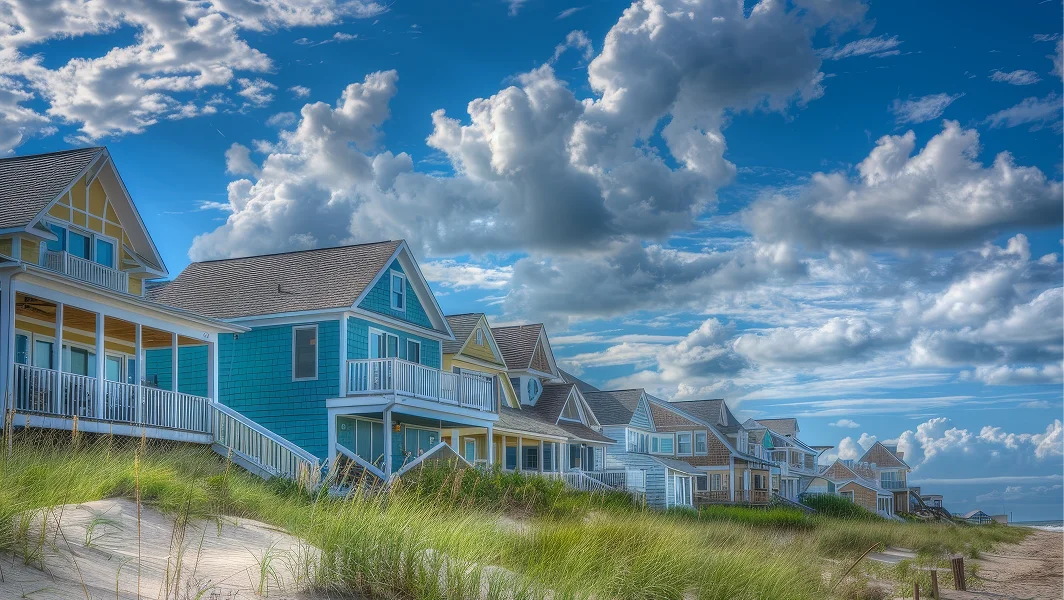
Positioned for Blue Angels enthusiasts, military families, and event-driven guests. These properties capture concentrated demand during April air show weekends and maintain strong occupancy year-round through strategic event-based pricing. They demonstrate how proximity to NAS Pensacola combined with proper market positioning generates consistent, premium revenue.
Our Navy Point Waterfront Property (1 unit available for booking)
Positioned for water sports families, kayaking enthusiasts, and winter activity seekers. This waterfront property demonstrates the counter-intuitive opportunity: winter rates exceed summer due to ideal kayaking conditions and dolphin-watching season. It showcases how segment-specific positioning can transform an "off-season" into your strongest revenue period.
These properties showcase what segment-specific positioning can achieve. Our Pensacola hosts average 18–24% higher occupancy during off-season months thanks to strategic segmentation and dynamic pricing—rather than generic seasonal approaches.
Understanding your market segment is just the first step. Implementing strategic positioning, dynamic pricing, and segment-focused marketing requires ongoing optimization and market intelligence.
Triad Vacation Rentals helps Pensacola hosts:
You don't compete by offering the lowest price. You compete by offering the right property to the right guest at the right time.
Let us help you stop competing on price and start dominating your segment.
Contact us today to discuss your property's positioning strategy.



%20Rules.webp)



Guest Experience &
After-Hours Support: