Industry Insights
6 Ways to Maximize Airbnb Bookings in 2026 with Availability & Pricing


Updated on:
January 16, 2026


As an Airbnb ProHost managing over 100 properties across the United States, Triad Vacation Rentals has built expertise in what actually drives bookings and occupancy. From mountain communities to coastal markets, from ski destinations to urban centers—our diverse portfolio spans multiple states and climates.
This breadth gives us access to real-time performance data that reveals what works across varied markets and property types. Today, we're sharing the strategies our top-performing hosts are using to drive increased bookings, higher earnings, and improved visibility throughout 2026. These aren't theories—they're approaches we've tested and validated across hundreds of listings.
The data is clear: two factors consistently drive success on Airbnb—availability and pricing. These determine how your listing appears in search results, how attractive it looks to potential guests, and ultimately, how many bookings you secure. Understanding how Airbnb's algorithm prioritizes these factors is essential for staying competitive in 2026.
Many hosts hesitate to make their calendars fully available, worried about managing too many inquiries or losing flexibility. But data shows the opposite is true—availability is one of your most powerful tools on Airbnb.
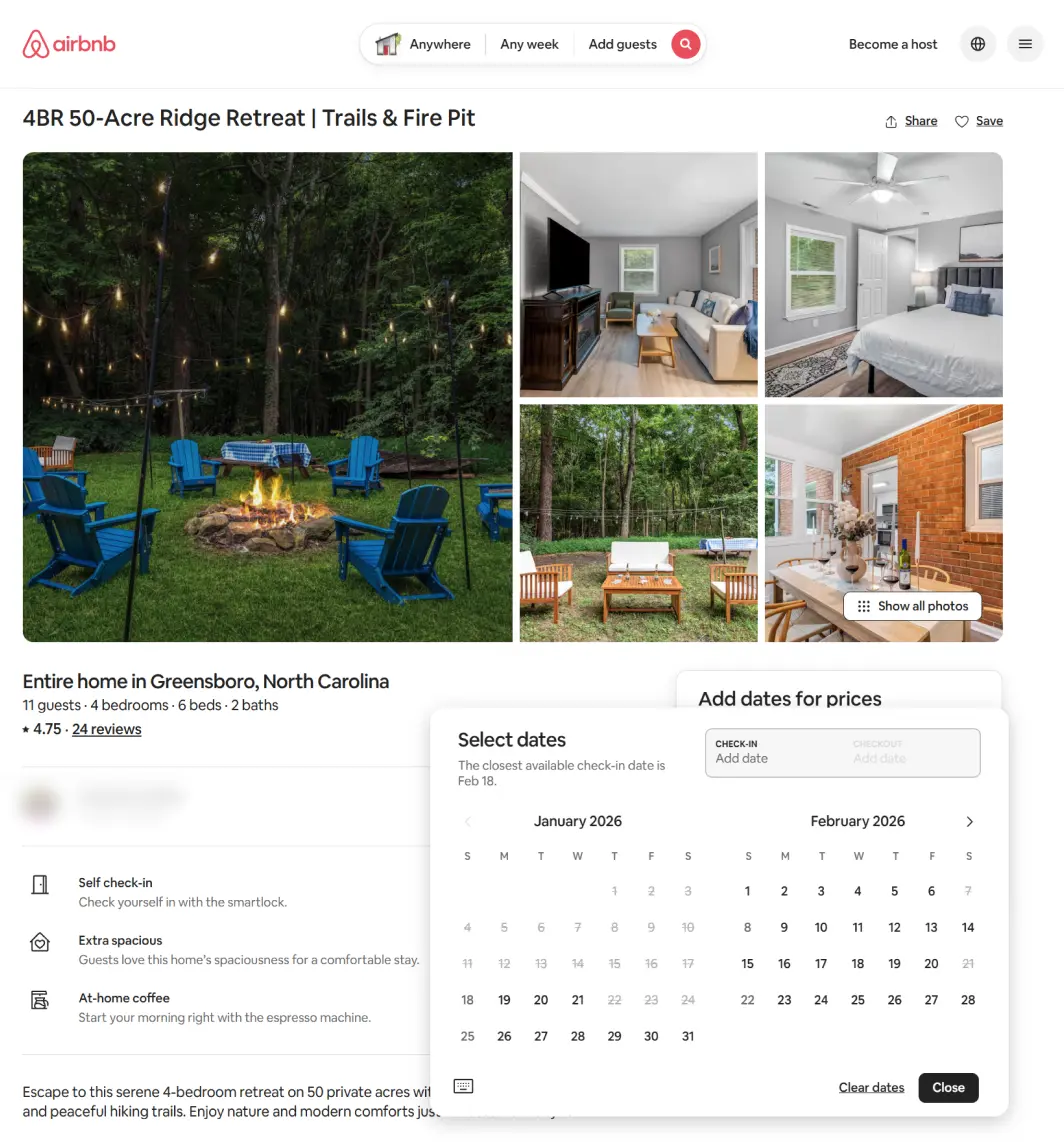
When you allow guests to book further in advance, you capture early planners. These are travelers who book 60, 90, or even 180+ days out—and they're often willing to commit before prices rise or availability tightens. Listings with longer booking windows consistently show:
The practical takeaway: If you're currently limiting bookings to 6 months out, consider opening it to 9 or 12 months. You maintain flexibility (you can always block dates), but you dramatically expand your addressable market.
This change might feel counterintuitive—why would you want shorter stays when longer bookings mean less turnover and more consistent revenue? The answer lies in volume and algorithm positioning.
Properties with shorter minimum stay requirements receive significantly more bookings over time, even when accounting for the increased turnover costs. Here's why:
The insight: Reducing your minimum from 3 nights to 2 nights (or from 2 nights to 1 night) doesn't require you to sacrifice profitability. In fact, the data suggests the opposite.
Open calendars are visible calendars. When potential guests see that your property is available far into the future, it signals that your property is:
Airbnb's search algorithm prioritizes listings with open availability. If two properties are comparable in price and quality but one has availability blocked for the next 3 months while the other is open for 365 days, the open property will rank higher and receive more visibility.
The recommendation: Keep your calendar unblocked for at least the next 12 months. You can always adjust specific dates as needed, but the baseline should be open availability. This is particularly important during shoulder seasons (spring and fall) and slower periods, when visibility becomes even more critical to maintaining steady bookings.
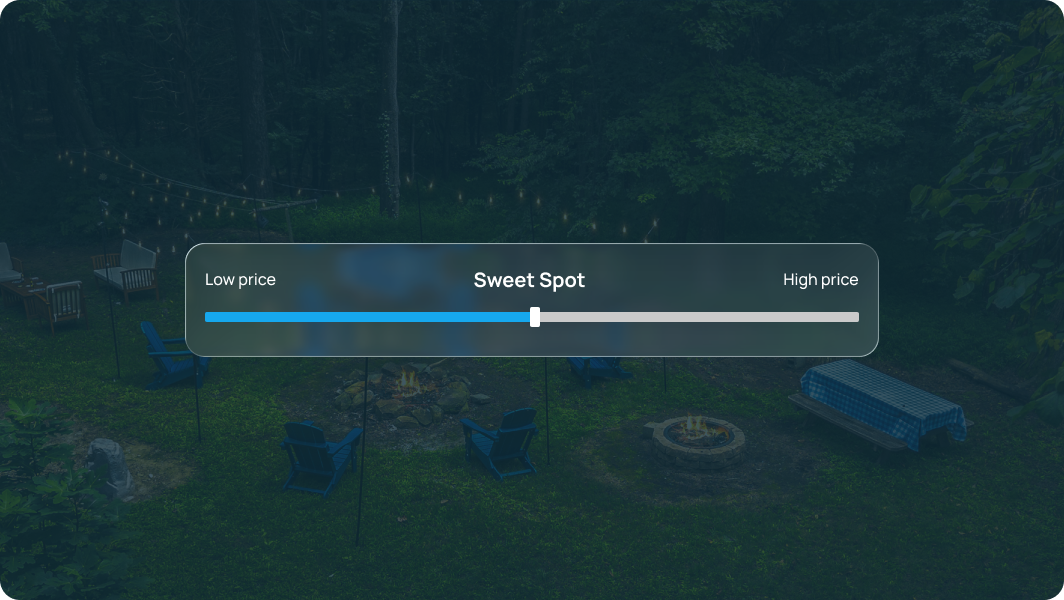
Availability opens doors; pricing seals deals. But pricing isn't just about setting a low nightly rate. It's about strategic positioning and using Airbnb's promotional tools effectively. Dynamic pricing strategies can be transformative when implemented correctly.
When your nightly rate is competitive within your market, you benefit from:
Airbnb's algorithm considers pricing alongside other factors. Listings with competitive rates rank higher in search results, making them easier for guests to find when they're browsing options in your area. This is especially important in markets with high competition. Real-world examples show that strategic pricing adjustments can increase profit margins significantly.
Lower barriers to entry mean more guests will book. Higher occupancy rates compound the effect—even if each booking generates slightly less per night, the total monthly earnings often increase due to fewer vacant days.
Competitive pricing attracts local guests during off-peak seasons. These bookings might not command premium rates, but they keep your property occupied and your calendar active, which benefits your search visibility and overall earnings trajectory.
The nuance: "Competitive" doesn't mean "cheapest." It means strategically positioned within your market's range. Finding the sweet spot between visibility and revenue per night requires understanding your specific market dynamics.
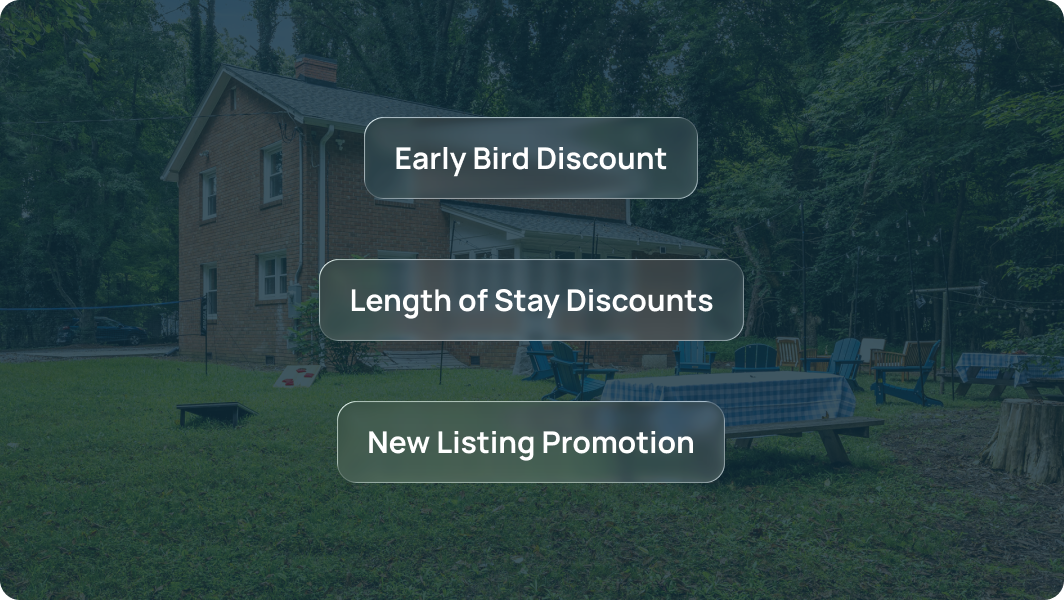
Beyond nightly rates, Airbnb offers several promotional features that top-performing hosts use to drive bookings:
Offer a discount to guests who book 30+ days in advance. This accomplishes two things:
These discounts are particularly effective for attracting extended-stay guests—families seeking vacation rentals, remote workers looking for monthly accommodations, and business travelers. The benefits include:
If you're adding new inventory to Airbnb, the new listing promotion is essential. It allows you to offer a 20% discount on your first 3 bookings—a powerful tool for gaining momentum. Learning how to overcome the cold start effect is critical for new listings. This promotional strategy is designed to accelerate bookings during the critical launch phase. This matters because:
The hosts and property managers seeing the best results in 2026 aren't doing just one of these things—they're implementing all of them strategically:
The good news: these aren't complicated changes. Most can be implemented directly in your Airbnb dashboard in minutes. The challenge is committing to the data-driven approach rather than sticking with the "safe" defaults.
As you move forward in 2026, consider which of these levers you haven't fully optimized. The properties that thrive this year will be the ones taking a strategic, data-informed approach to availability and pricing. Once you've optimized these, complementing your listing with the right amenities will further enhance your competitive position.



.webp)


.webp)
.webp)
.png)


Guest Experience &
After-Hours Support: