Industry Insights

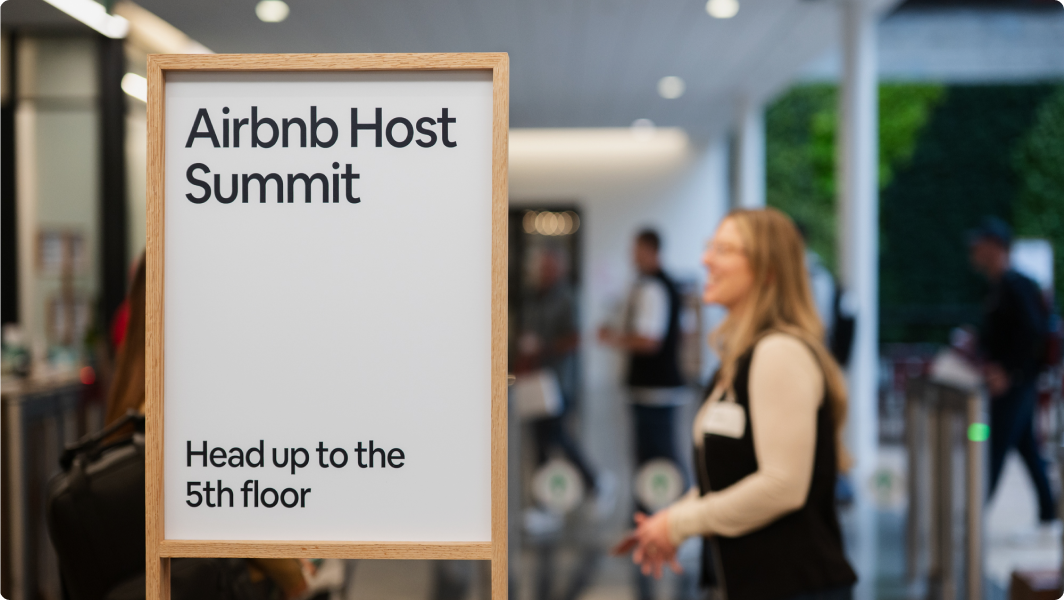
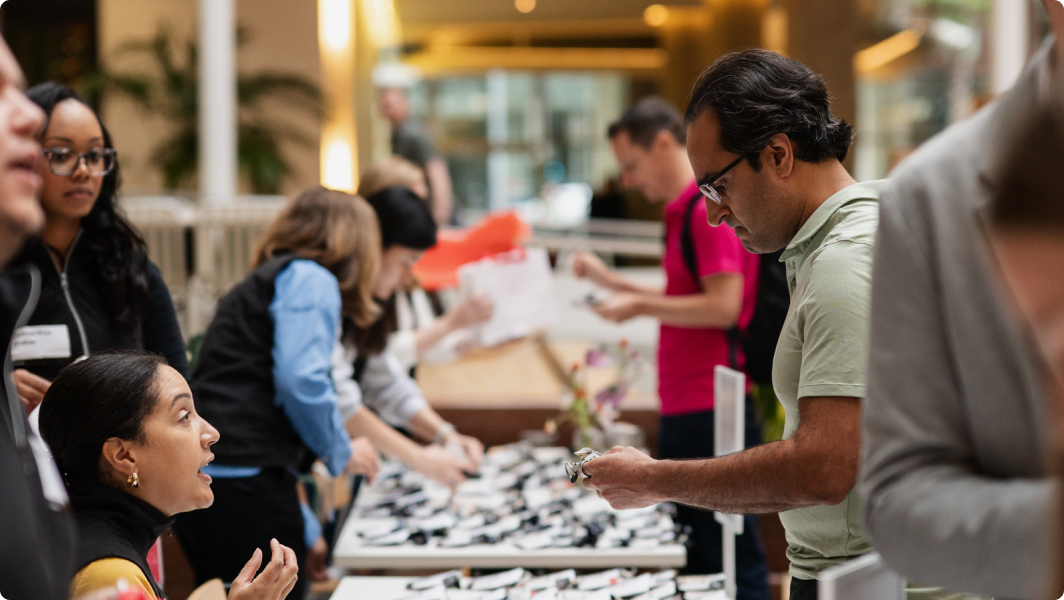
Airbnb did something it hadn't done in over a decade: held an official summit exclusively for professional vacation rental managers and Airbnb property managers.
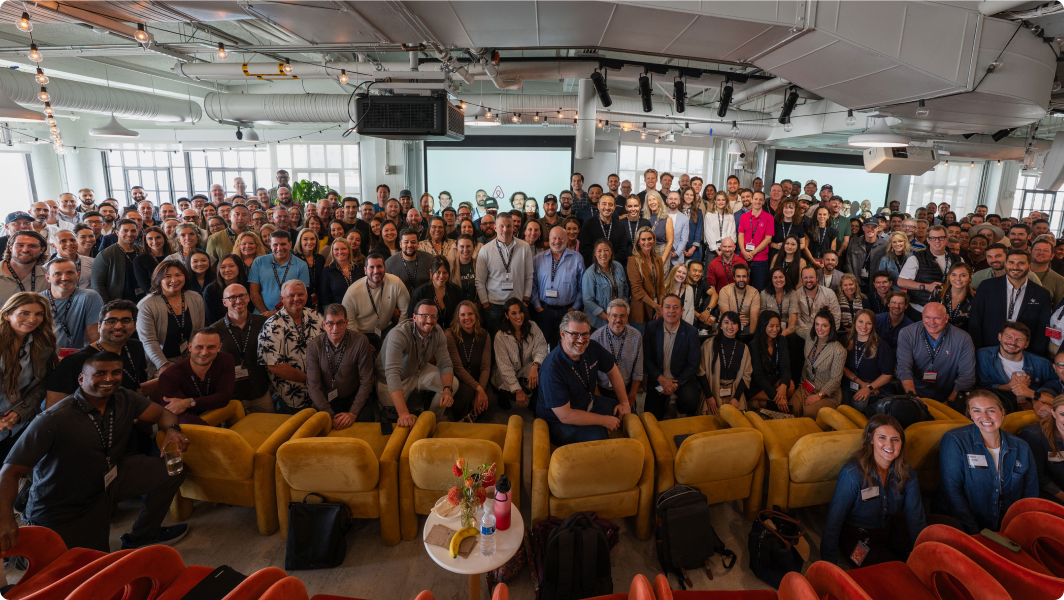
The venue was Airbnb's San Francisco headquarters. Around 150 top property managers and professional hosts were invited — primarily from the US, with some from Canada. This wasn't a side conversation. This was Airbnb saying, "We finally see professional hosts as critical infrastructure."
Why this matters: For over 10–15 years, Airbnb had avoided publicly discussing professional property managers. That silence ended at this Airbnb Host Summit 2025. The message was unmistakable: you're the future, and we're building for you.
Hosts left feeling optimistic. High-quality venue, solid speakers, good food. More importantly — it felt like Airbnb finally showed up.
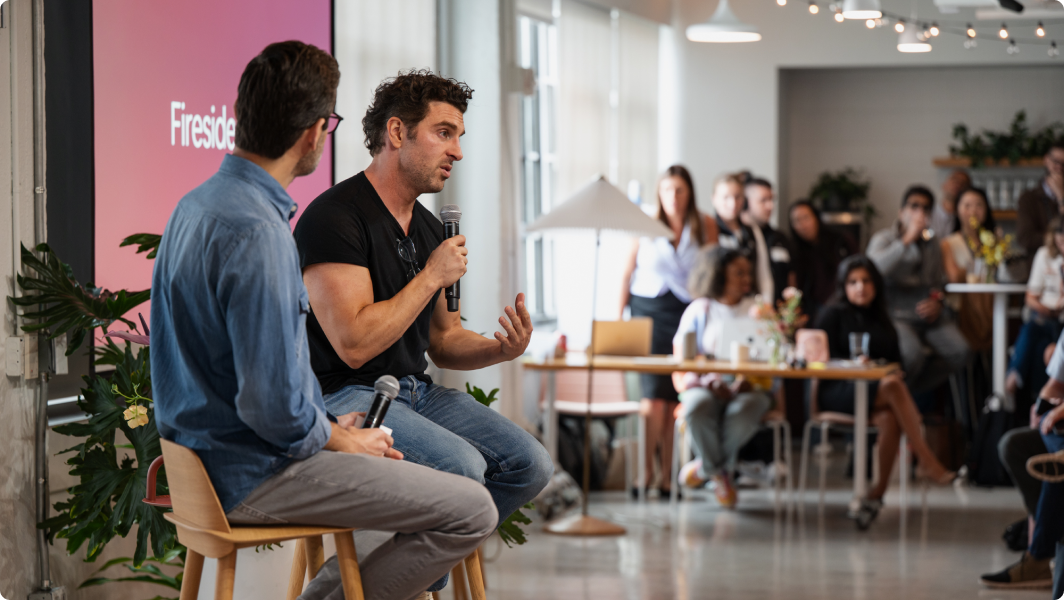
Biggest shock of the Airbnb Host Summit 2025: Brian Chesky, Airbnb's CEO, appeared unannounced and spent 2 hours talking with hosts.
No PowerPoint. No script. Chesky came to listen. Hosts peppered him with real questions — about fees that feel too high, support that's too slow, cancellations that sting, a platform that feels indifferent to professionals.
He didn't deflect. He didn't make excuses. He said: "I understand your frustration."
Many attendees said he seemed genuine and vulnerable — not a polished PR performance, but an actual conversation. That alone changed the energy in the room.
For too long, Airbnb obsessed over guest growth and platform expansion. That changes now. The focus shifts back to hosts — especially professional ones. Not as an afterthought. As the priority.
Chesky promised real improvements, not surface-level patches.
He spoke directly about why property managers matter. Guests deserve a clear choice: book with an individual, or book with a professional operation. That transparency is coming through new business profiles.
But it's also about making your life easier — multi-user logins so teams actually function, clearer management tools, and infrastructure built for scale instead of against it.
This is what people remember most. Hosts laid it all out: fees are too high, support is too slow, new Airbnb cancellation policies hurt, and the company doesn't care about us.
The support issue hit hardest. Hosts said Airbnb almost always sides with guests in disputes — refunds are approved too easily, bad reviews stick around even when they're clearly false, and professionals feel unprotected. It erodes trust when the platform treats you as just a revenue source, not a partner.
Chesky didn't fight back. He heard it.
He didn't say, "We'll think about it." He outlined specific improvements: better support for large operators, new tools, and a real commitment to give professional hosts a bigger voice in future product decisions.
One word kept coming up: "Like marriage counseling."
After years of feeling ignored, hosts were finally heard. The fact that Chesky showed up unannounced — it wasn't even on the agenda — sent the real message: This isn't damage control. This is us saying we messed up and we're fixing it.
Nobody left with ironclad guarantees. But they left feeling like something shifted.

One of the most discussed frustrations: professional hosts often score lower on overall ratings and "value for money" despite maintaining higher standards.
Why? Scale brings higher costs — teams, cleaning, regulations, HOA restrictions — so professionals charge more. But guests perceive less "personal touch" and expect even more for the price. This creates a perception gap that hurts rankings in Airbnb's algorithm, which prioritizes predicted guest satisfaction.
Many attendees (especially larger property managers) complained that it's nearly impossible to match the ratings of small hosts who can provide super-personalized service. Airbnb acknowledged the challenge but offered no direct fix — just emphasis that reliability, design, and presentation are how to close the gap.
One positive shift already underway: The Guest Favorite badge is becoming the primary signal for top-quality listings in search results, largely eclipsing the traditional Superhost status in visibility and impact.
One thing Chesky made crystal clear: the split-fee model is dead. It's not coming back.
For some time now, hosts asked Airbnb to return to the old system where guests paid most of the service fee. It's not happening. Airbnb confirmed this at the Airbnb Host Summit 2025 — the host-only fee structure is here to stay.
To offset fee frustrations, Airbnb has been rolling out Host Services — add-ons like early check-in, late check-out, kitchen stocking, airport transfers, and guided tours that guests can book separately. Hosts keep 100% with zero platform fee.
It's not direct fee relief, but an alternative way to earn more without raising base rates. Understanding how to navigate the 15.5% host-only fee structure while maximizing these ancillary revenue streams is where professional hosts can actually offset margin pressure.
For the first time, Airbnb pulled back the curtain on their actual Airbnb ranking algorithm and ranking formula. It's not mysterious. It's mathematical.
Location + Accommodation Benefits + Reliability = Value / Price
That's how Airbnb decides which listings to show guests and in what order. Understanding each component changes how you optimize.
Location - Safe neighborhood. Proximity to attractions. Good transit access. Close to restaurants. This is foundational — you can't fix bad location. But if you have it, leverage it in your description.
Accommodation Benefits - This is your amenities, design, and space. Hot tubs, pools, views, fireplaces. But also: Does it feel premium or budget? Quality matters here. Design and presentation affect how guests perceive value.
Reliability (The game-changer)- This is Cleanliness + Safety + Accuracy. It's the "trust multiplier" that turns browsers into bookers. When executed flawlessly, Airbnb cleanliness ranking and reliability amplify your overall value perception significantly.
Airbnb's cleanliness ranking isn't just spotless surfaces. It's how cleanliness combines with overall presentation to make guests feel confident about booking. A perfectly clean space that's organized, well-lit, and thoughtfully decorated converts far more effectively than a clean space that feels sparse or dated.
Guests notice visible damage, clutter, and wear and tear. A spotless room with cheap furniture still feels less valuable than a pristine room with thoughtful design, quality textiles, and curated decor. Amenities that don't work as expected also tank your rating.
The real insight: You can't just clean obsessively. You have to invest in how the space feels. Fresh paint, updated furniture, warm lighting, organized storage, and quality linens. These work together with cleanliness to build trust and justify your pricing.
Then divide by Price. A perfect value score relative to your price = higher ranking. The algorithm is looking for the sweet spot between quality and price.
The practical takeaway: Airbnb optimizes for guest happiness first, revenue second. The formula rewards properties that deliver genuine value.

This is the shift nobody fully expected. For years, Airbnb treated professional hosts like a necessary evil. Now they're the future.
Guests want reliability. They want consistent quality. They want a professional answering when something goes wrong. Individual hosts can't compete at scale with professional vacation rental managers.
Airbnb put it something like this: "It's like entrusting a newly licensed driver with an Uber job — only experienced teams handle the complexities with precision and poise."
Translation: Professional hosts are winning because they deliver. And Airbnb is finally admitting it.
If you're a professional host, you're now on the winning side of Airbnb's strategy. Your track record matters. Your team's response time matters. Your reliability is the differentiator.
But the bar is higher. You can't coast. You have to be the best in class in your market. Airbnb is signaling: we're building for professionals, and we expect you to deliver professional-level results.
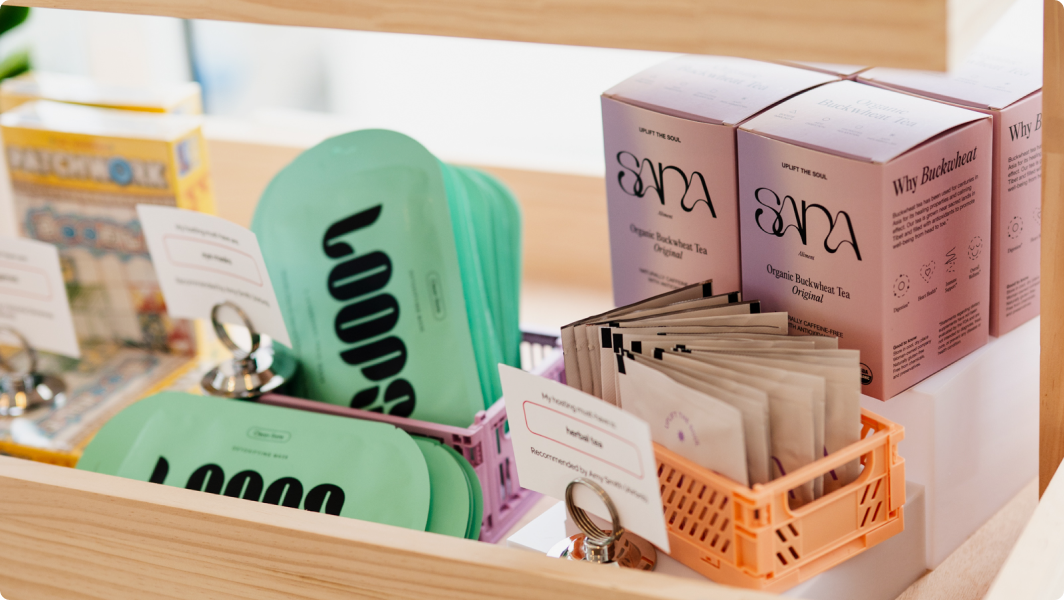
This was one of the most concrete announcements from the summit. Airbnb showed mockups (prototypes) of the new business profiles to attendees — photography wasn't allowed due to NDA, but the message was clear: professional property managers are getting a distinct, branded presence on the platform.
Until now, a property managed by a 200-unit company looked identical to a property managed by an individual in search results. Guests couldn't easily tell the difference. That changes.
Airbnb is making a statement: Professional hosts are the future. By giving you a distinct, branded identity, they're saying your scale, your team, and your reliability — these are advantages, not something to hide.
It also means guests can choose what they want. Some prefer the personal touch of an individual host. Others want professional-grade service. Both options are now transparent.
This wasn't just talk at the summit. Airbnb showed working prototypes. It's coming, and hosts are left with the sense this is a priority for 2026.
Chesky didn't just promise to listen. He promised to build. Here's what's coming:
These aren't flashy features. They're infrastructure. But infrastructure is what scales a business.
One note from the summit: AI is reshaping how guests discover properties. OpenAI's ChatGPT is becoming a travel platform, with Booking.com and Expedia already launching integrations where travelers can search and book directly inside ChatGPT.
Properties with distinctive amenities — dedicated work spaces, hot tubs, pet-friendly setups — are getting better visibility in AI recommendation systems.
It wasn't the main focus of the summit, but it's a trend to watch.
This Airbnb Host Summit 2025 marked a shift. For 10+ years, Airbnb avoided saying "professional hosts" and "property managers." Now they're building the platform around you.
Is it perfect? No. Fees are still high. Support still needs improvement.
Hosts left feeling optimistic — but also cautious about the Airbnb 2025 updates. The energy was real. But so was the skepticism. People heard the message, but they're waiting to see concrete action in 2026.
For the first time in a long time, professional hosts felt genuinely heard — and like Airbnb might actually mean it.
The Airbnb ranking algorithm is now transparent. Airbnb cleanliness ranking and design are ranking factors. Professional hosts are the priority. New tools for professional property managers are coming. AI is reshaping discovery.
If you're a professional host, the message is clear: Invest in quality, optimize for the Airbnb algorithm, and you'll win. Airbnb finally has skin in the game with professional property managers.
The year of hosts? It starts now — if Airbnb delivers.



.webp)
.webp)
.png)




Guest Experience &
After-Hours Support: